If diets, gym memberships, and willpower alone haven’t given you the lasting results you were hoping for, you’re not alone. Obesity is a medical condition, not a lack of discipline — and for many people in the UAE, weight loss surgery in Dubai has become the safe, structured, and medically supervised path to real, sustainable change.
At Al Taie Center, led by Consultant Bariatric, General and Laparoscopic Surgeon Dr. Abdulsalam Al Taie, patients across Dubai and Abu Dhabi are guided through every stage of their weight loss journey — from the first consultation to long-term post-operative care. This guide walks you through what bariatric surgery actually involves, who it’s right for, and what to expect before and after the procedure.
Why Consider Weight Loss Surgery?
Bariatric surgery isn’t a shortcut — it’s a medically proven intervention for people who are significantly overweight and have struggled to achieve lasting results through diet and exercise alone. Beyond the number on the scale, weight loss surgery has been shown to help resolve or improve:
– Type 2 diabetes
– High blood pressure and cardiovascular strain
– Sleep apnea
– Joint pain and mobility issues
– Fertility challenges linked to obesity
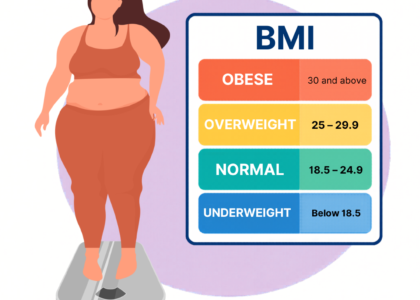
Candidates are typically those with a **Body Mass Index (BMI) of 35 or above**, or a BMI of 30+ with obesity-related health conditions. A personalized BMI check and full medical assessment is always the first step — you can use Al Taie Center’s BMI Calculator to get an initial idea of where you stand.
Types of Weight Loss Surgery Available in Dubai
Not every patient needs — or is suited to — the same procedure. At Al Taie Center, treatment plans are built around your body, lifestyle, and medical history rather than a one-size-fits-all approach.
1. Sleeve Gastrectomy (Gastric Sleeve)
The most commonly performed bariatric procedure worldwide. A large portion of the stomach is removed laparoscopically, reducing its size by roughly 75–80%. This limits food intake and reduces hunger-inducing hormones. Learn more about Sleeve Gastrectomy.
2. Roux-en-Y Gastric Bypass
Considered the “gold standard” for patients with more complex metabolic issues like severe type 2 diabetes. This procedure reroutes part of the digestive system, reducing both the amount of food you can eat and the calories your body absorbs. Details on Gastric Bypass Surgery.
3. Mini Gastric Bypass
A simplified, shorter version of the traditional bypass, offering similar results with a quicker operating time. See more on Mini Gastric Bypass.
4. Non-Surgical Options: Gastric Balloon
For patients who aren’t ready for surgery or don’t qualify for it, a temporary Gastric Balloon placed in the stomach can support meaningful weight loss over 6–12 months.
5. Revision Bariatric Surgery
For patients who’ve had a previous procedure that didn’t deliver the expected results — or who need a band removal or conversion to a more suitable procedure — Al Taie Center offers specialized revision surgery
What to Expect: The Al Taie Center Approach
Al Taie Center’s philosophy is built on the belief that treating obesity requires more than a surgical decision — it requires a full understanding of the patient. That means:
– A comprehensive medical assessment before any intervention
– Selecting the procedure that’s genuinely right for your case — not the most popular one
– Minimally invasive laparoscopic techniques for faster recovery
– Ongoing medical follow-up after surgery to keep results stable long-term
The center’s multidisciplinary team includes bariatric surgeons, cardiologists, psychologists, and clinical dietitians, because sustainable weight loss is rarely just a surgical issue — it’s physical, nutritional, and psychological.
Recovery After Weight Loss Surgery
Recovery timelines vary by procedure, but most laparoscopic bariatric surgeries at Al Taie Center allow patients to:
– Return home within 1–3 days
– Resume light daily activities within a week
– Return to work within 2–4 weeks
During the early recovery period, staying properly hydrated and nourished is critical — many patients struggle to drink enough fluids or absorb nutrients well in the days immediately following surgery, especially in Dubai’s heat. This is one of the reasons many post-bariatric patients choose at-home IV hydration and vitamin therapy to support recovery without needing to travel while still healing. Home healthcare providers like DIO Life Home Health Care offer DHA-approved IV drip therapy at home in Dubai, which can be a convenient way to stay hydrated, replenish essential vitamins, and support your recovery in the comfort of your own home during the post-operative period.
Life After Bariatric Surgery
Long-term success depends on more than the operation itself. Al Taie Center pairs every surgical journey with:
– Dietitian-guided nutrition plans to help you adjust to your new stomach capacity
– Psychological support, since emotional relationships with food are often central to long-term weight management
– Regular follow-ups to monitor progress, catch nutritional deficiencies early, and adjust your plan as needed
Is Weight Loss Surgery Right for You?
The best way to know is a personal consultation. Every patient’s body, health history, and goals are different, and Al Taie Center’s team will walk you through the options that make sense for you — not just the most commonly advertised one.
Al Taie Center has branches in Jumeirah, Dubai, and Abu Dhabi, offering bariatric surgery, revision procedures, non-surgical weight loss options, and comprehensive multidisciplinary care.
Book a Free Consultation or explore all Bariatric Surgery services at Al Taie Center today.
Frequently Asked Questions
How much does weight loss surgery cost in Dubai?
Costs vary depending on the procedure type, hospital stay, and individual health factors. A consultation at Al Taie Center will give you a personalized quote based on your specific case.
Is weight loss surgery safe?
Modern laparoscopic bariatric procedures are minimally invasive and have strong safety profiles when performed by experienced surgeons like Dr. Abdulsalam Al Taie, who has over 30 years of experience in general, bariatric, and laparoscopic surgery.
How much weight can I expect to lose?
Most patients lose 60–80% of their excess weight within 12–18 months, though results vary based on procedure type and lifestyle adherence afterward.
Do I need support at home after surgery?
Yes — adequate hydration, nutrition, and rest are essential in the first few weeks. Many patients supplement their recovery with services like at-home IV hydration therapy for added support while they heal.