Gastric sleeve surgery in Dubai is a popular choice for individuals seeking a significant and sustainable solution for weight loss. At Altaie Center, we understand that this is a major decision, and we are here to provide you with all the information you need. This comprehensive guide will cover everything you need to know about the gastric sleeve procedure, helping you understand if it’s the right path for you and what to expect.
What Is Gastric Sleeve Surgery?
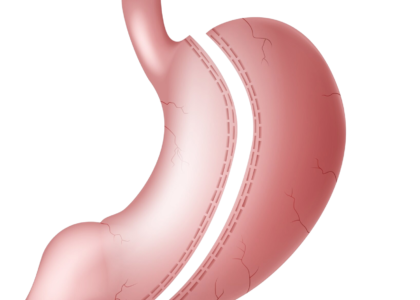
Gastric sleeve surgery, also known as sleeve gastrectomy, is a surgical procedure that helps you lose weight by reducing the size of your stomach. During the surgery, a significant portion of your stomach is removed, leaving behind a smaller, banana-shaped pouch or “sleeve.” This reduction in stomach size limits the amount of food you can eat, helping you feel fuller faster and consume fewer calories. It also affects hormones that control hunger, further aiding in weight loss.
Who Is a Good Candidate for Gastric Sleeve Surgery in Dubai?
To be considered a good candidate for gastric sleeve surgery in Dubai, you typically need to meet certain health and weight criteria. Your body mass index (BMI) is a key factor. Generally, candidates have a BMI of 40 or higher, or a BMI of 35 or higher with significant weight-related health problems.
These health issues can include:
A thorough medical evaluation by a qualified bariatric surgeon at Altaie Center will determine if you are a suitable candidate. We consider your overall health, medical history, and commitment to lifestyle changes required after surgery.
How the Gastric Sleeve Surgery Procedure Works
The gastric sleeve surgery is a minimally invasive procedure performed laparoscopically, meaning it uses small incisions and a camera.
Before Surgery
Before your surgery, you will undergo a series of tests, including blood work, imaging scans, and possibly a heart evaluation. You’ll also meet with our nutritionists and surgeons to discuss the procedure, risks, benefits, and prepare you for the dietary changes needed. You may be asked to start a specific diet a few weeks before the surgery.
During Surgery
The surgery is performed under general anesthesia. Your surgeon will make several small incisions in your abdomen. A laparoscope (a thin, flexible tube with a camera) and specialized surgical instruments are inserted through these incisions. The surgeon then carefully removes about 75-80% of the stomach, shaping the remaining part into a narrow sleeve. The procedure typically takes about 60 to 90 minutes.
After Surgery
After the surgery, you will be monitored in the hospital for a short period, usually 1 to 3 days, to ensure there are no complications like bleeding or leaks.
How Long Does It Take
The surgical procedure itself is relatively quick. However, the full recovery and adjustment to your new lifestyle take time, with most patients returning to normal activities within a couple of weeks.
Benefits of Gastric Sleeve Surgery
Gastric sleeve surgery offers numerous benefits beyond just weight loss:
- Significant Weight Loss: Most patients achieve substantial weight loss, leading to improvements in overall health.
- Improved Health Conditions: It can significantly improve or even resolve weight-related health problems such as type 2 diabetes, high blood pressure, high cholesterol, and sleep apnea.
- Reduced Hunger: The surgery alters hormones that control hunger, making it easier to manage your appetite.
- Increased Energy and Mobility: Losing weight often leads to increased energy levels and improved physical mobility.
- Enhanced Quality of Life: Many patients experience a boost in self-confidence and a better overall quality of life.
Recovery After Gastric Sleeve Surgery
The recovery process is crucial for achieving successful long-term results.
- Hospital Stay: You will typically stay in the hospital for 1 to 3 days following the procedure. During this time, you will be given pain medication and monitored for any issues.
- First Week at Home: In the first week, focus on rest and following your post-operative diet plan. You may feel tired and experience some discomfort, which is managed with medication.
- Return to Work: Most individuals can return to light duties and desk jobs within 1 to 2 weeks. Strenuous activity should be avoided for about 4 to 6 weeks.
- Exercise: Gradually reintroduce exercise as advised by your doctor. Light walking is usually recommended soon after surgery.
- Follow-up Visits: Regular follow-up appointments with your surgeon and dietitian are essential. These visits ensure your healing is progressing well, address any concerns, and help you stay on track with your diet and lifestyle changes.
Diet and Lifestyle Changes After Surgery
Following surgery, a carefully planned diet is essential for healing and long-term success.
- Liquid Diet: Initially, you will consume only clear liquids, then move to full liquids for the first couple of weeks.
- Soft Foods: After liquids, you will gradually introduce pureed and then soft, easy-to-chew foods.
- Small Meals: Your smaller stomach means you will eat much smaller portions. It’s important to eat slowly and chew food thoroughly.
- Protein Intake: High protein intake is crucial for healing and maintaining muscle mass.
- Hydration: Drinking plenty of water throughout the day is vital.
- Avoiding Certain Foods: You will need to avoid fizzy drinks, sugary foods, and processed junk foods that can cause discomfort or hinder weight loss.
- Lifelong Habits: Gastric sleeve surgery is a tool to help you achieve weight loss, but sustained success requires lifelong healthy eating habits and regular physical activity.
Long-Term Results and Maintenance
The weight loss journey after gastric sleeve surgery is a marathon, not a sprint. Most patients experience significant weight loss in the first 12-18 months. However, maintaining this weight loss requires ongoing commitment to healthy eating and an active lifestyle. Regular follow-up appointments with your healthcare team are important for monitoring your progress, ensuring you meet your nutritional needs, and addressing any challenges that may arise. Some weight regain can occur if lifestyle changes are not maintained.
How Much Does Gastric Sleeve Surgery Cost in Dubai?
The cost of gastric sleeve surgery in Dubai can vary depending on several factors, including the hospital, the surgeon’s experience, the complexity of the case, and the pre-operative and post-operative care provided. A comprehensive package typically includes:
- Surgeon’s fees
- Anesthesia fees
- Hospital stay and operating room charges
- Pre-operative tests and consultations
- Post-operative follow-up appointments and nutritional support
At Altaie Center, we aim to provide transparent pricing for our services. We recommend scheduling a consultation to receive a personalized quote based on your specific needs and medical assessment. (Prices will change according to your BMI, health condition, or pre-existing health issues).
How to Choose the Right Surgeon and Hospital in Dubai
Choosing the right surgeon and hospital is paramount for a safe and successful gastric sleeve surgery. Here’s what to look for:
- Surgeon Experience: Look for a surgeon with extensive experience specifically in bariatric and gastric sleeve procedures.
- Board Certifications and Credentials: Ensure the surgeon is board-certified and has appropriate qualifications.
- Hospital Accreditation and Safety: Choose a hospital with a strong reputation for safety, good surgical outcomes, and excellent patient care.
- Comprehensive Support: The best centers offer multidisciplinary support, including dietitians, psychologists, and ongoing patient follow-up.
- Patient Reviews and Testimonials: Positive feedback from previous patients can offer valuable insights.
- Transparent Pricing: Clear and detailed cost information is essential.
- Personalized Care: A surgeon who takes the time to understand your individual needs and concerns is key.
Why Choose Altaie Center for Gastric Sleeve Surgery in Dubai?
At Altaie Center, we are dedicated to providing exceptional care for our patients seeking gastric sleeve surgery in Dubai. Our experienced bariatric team is committed to your well-being, offering personalized treatment plans tailored to your unique needs. We prioritize your safety and comfort throughout the entire journey, from your initial consultation and the surgical procedure itself to your long-term recovery and follow-up care. We offer comprehensive support, including expert nutritional guidance, to help you achieve sustainable weight loss and improve your overall health. Trust Altaie Center to be your partner in achieving a healthier, happier life. Book a consultation with us today to learn more.
Top 10 Questions About Gastric Sleeve Surgery Dubai
Here are answers to some of the most frequently asked questions about gastric sleeve surgery:
What is the average cost of gastric sleeve surgery in Dubai?
The cost varies by hospital, surgeon, tests, and follow-up care. A full quote should include all fees. For an accurate estimate at Altaie Center, please book a consultation. (Prices will change according to your BMI, health condition, or pre-existing health issues).
How much weight can you lose with a gastric sleeve?
Many patients lose a large share of their extra weight over time, but results depend on diet, exercise, and follow-up care. Patients can typically expect to lose 60-80% of their excess weight within the first 12-18 months.
Is gastric sleeve surgery reversible?
No. Gastric sleeve surgery is usually permanent because part of the stomach is removed and cannot be reattached.
How long is recovery after gastric sleeve surgery?
Many people return to light activity in about 1 to 2 weeks, but full recovery and adjustment to new eating habits take longer, typically several weeks to months.
What can I eat after gastric sleeve surgery?
You start with liquids, then soft foods, then small meals as your doctor allows. A phased diet plan is crucial for healing and adaptation.
Who should not get gastric sleeve surgery?
People with certain severe medical conditions, those who cannot follow aftercare rules, or individuals with specific types of gastrointestinal issues may not be good candidates. A thorough medical assessment is necessary.
Is gastric sleeve surgery safe?
It is generally safe when done by an experienced team at an accredited facility, but like all surgery, it carries risks that will be discussed during your consultation.
How much food can I eat after gastric sleeve surgery?
Meal size becomes much smaller because the stomach is reduced in size to about the size of a banana. You will learn to eat smaller portions slowly.
Will I need vitamins after gastric sleeve surgery?
Yes. Many patients need lifelong vitamin and mineral supplements to prevent deficiencies due to reduced food intake and absorption changes.
How do I choose the best gastric sleeve surgeon in Dubai?
Choose a surgeon with strong experience in bariatric surgery, clear safety standards, a good track record, and comprehensive aftercare support for patients. We encourage you to learn about our medical team.